9+ curated guides • Updated November 2025
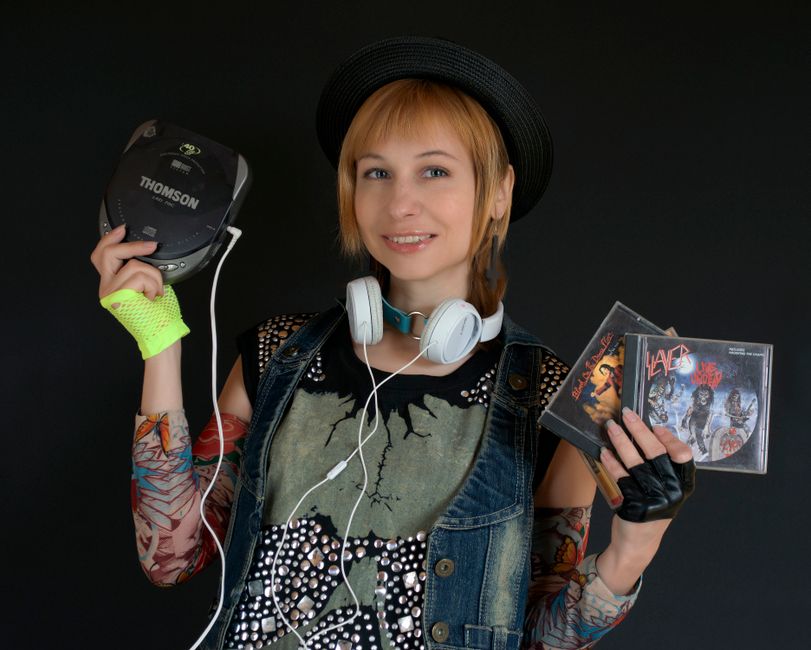
You think you know 90s grunge accessories: the worn-in Doc Martens, the slouchy beanie, the ever-present flannel tied around the waist. But what if the most radical thing about these items wasn't their angst, but their androgyny? This wasn't just about looking disheveled; it was about dismantling the very idea of 'his' and 'hers' fashion, one combat boot at a time. While the iconic musicians of the era—from Kurt Cobain in his thrift-store cardigans to Layne Staley in his oversized sunglasses—became reluctant style icons, the true revolution was happening at the granular level of accessories. These were not statements of glamour or rebellion in the vein of punk or glam rock. Instead, they were artifacts of practicality, comfort, and anti-consumerist sentiment that, by their very nature, existed outside the rigidly gendered fashion system of the time. This article delves into how this accidental androgyny laid the groundwork for the fluid expressions of identity we see today.
You meticulously picked out your watch and your shoes, but what about the bag you carry every day? We often treat it as a functional afterthought, a mere vessel for our laptop and keys. But that bag is speaking volumes about you before you ever say a word—and this is what it's telling the world. As a style analyst, I see a man's bag not as a utility item, but as the epilogue to his sartorial story. Your suit is the plot, your shoes are the climax, but the bag is the final statement that reveals where you've been and, more importantly, where you're headed. It's a conscious choice that broadcasts your values, your professional tribe, and your personal hierarchy of needs—whether you realize it or not. In this analysis, we will move beyond mere aesthetics and decode the powerful, unspoken language of the modern man's bag.
For over a decade, 'Celebrity Apprentice' promised a career renaissance, a chance for stars to prove their business acumen in the world's most dramatic boardroom. But what happened after the cameras stopped rolling and the 'You're Fired' echo faded? We analyzed the data to uncover the show's real legacy: was it a golden ticket back to the A-list, or a one-way trip to professional ruin? The premise was seductive: leverage your waning fame, raise money for charity, and remind America why you were a star in the first place. Yet, a critical look at the post-show careers of its contestants reveals a pattern not of revival, but of reputational contamination. The show functioned less as a career launchpad and more as a high-stakes gamble, where the price of admission was often a piece of one's professional soul.
We think of celebrity names as a matter of birth or a simple stage-name switch, but what if the most successful monikers are actually meticulously crafted business assets? From single-name icons like Zendaya to strategically unique names like Timothée Chalamet, the new currency in Hollywood isn't just talent—it's having a name you can own on Google. This isn't about vanity; it's about intellectual property. In an economy driven by attention, a celebrity's name is their most valuable domain name, their primary stock ticker, and the foundation of their entire commercial empire. We're breaking down the unspoken rules of the modern celebrity name game, where every syllable is a strategic choice.
We all know the winter ritual: bundling into a heavy, restrictive coat only to feel clumsy and overheated the moment you step indoors. What if your most elegant accessory was also your most liberating piece of outerwear? It’s time to master the art of the 'anti-coat' and discover how a beautifully draped stole offers all the warmth and polish you need, without the weight. This isn't about discarding your winter parka; it's about a strategic, sartorial choice for moments that call for grace over grit. It is the deliberate decision to choose fluidity over structure, and quiet luxury over bulky necessity. It is, quite simply, the modern way to navigate winter with poise.
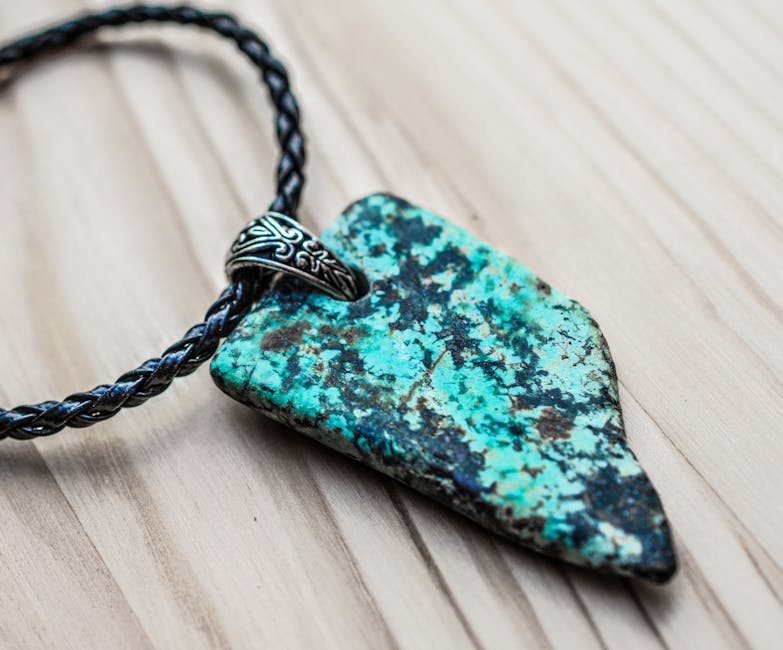
We choose jewelry to express who we are, but what if the piece itself already has a soul? A factory-made necklace is a silent object, but a handmade creation carries the echo of its maker's hands, heart, and intention. We're not just talking about aesthetics; we're talking about the invisible story that makes handmade jewelry more than an accessory—it's a connection. This is the transfer of spirit from creator to creation, a phenomenon that imbues a simple object with a history before it even meets its owner. It becomes a talisman, a piece of a person, a story forged in fire and silver.
While Western fashion often screams for attention with bold, statement jewelry, Korean style has perfected the art of the whisper. It’s a philosophy hidden in plain sight: the power isn't in one loud piece, but in the deliberate 'punctuation' of an outfit with tiny, strategic accessories. Forget everything you think you know about making an impact; we're about to decode the subtle language that makes K-fashion so effortlessly chic. This isn't just about 'less is more'; it's about making 'less' do more work. It’s a conscious choice to guide the eye, to add a final, perfect note to a composition, and to tell a story of restraint and confidence. As a stylist working in the heart of Seoul, I see this every day—the quiet power of a single, perfectly placed earring or a thin chain against a collarbone. It’s time to learn the grammar.
You see a verified celebrity on a dating app and assume they're looking for love just like everyone else. But what if their bio, photos, and even their prompts are less about finding a partner and more about executing a brilliant, subtle PR campaign to rebrand their public image? As a personal branding analyst, I see these profiles not as romantic endeavors, but as the new frontier of reputation management. Forget the carefully staged paparazzi photo or the softball talk show interview; the modern celebrity's most powerful tool for narrative control is a six-photo carousel and a 500-character bio on Raya or Hinge. This is where they can A/B test a new persona, soften a harsh public image, or build a groundswell of relatability—all under the guise of searching for a soulmate. It’s a calculated performance, and we’re all swiping right on the brand.
Remember 2022? It was the year we tentatively stepped back into the world, blinking in the sunlight. The purses we chose to carry were more than just accessories; they were our new social armor. From the wildly impractical micro-bag to the ultra-cushioned pillow purse, each trend was a direct response to a world grappling with newfound freedom and lingering uncertainty. These weren't mere fleeting styles dictated from a runway; they were artifacts of our shared experience, tangible symbols of our internal landscape broadcast for the world to see. By deconstructing the key handbag silhouettes of that pivotal year, we can read the story of our collective psyche—our anxieties, our defiant optimism, and our deep-seated need for comfort.